
Your AI operating system — in 5 layers
An AIOS is how you build your own AI that you own: five layers and two ongoing movements. Here's the whole picture; each layer has its own page.
You shouldn't pour your life into someone else's chat box and own nothing. An AIOS is the other way: your own AI, on your own files, under your control.
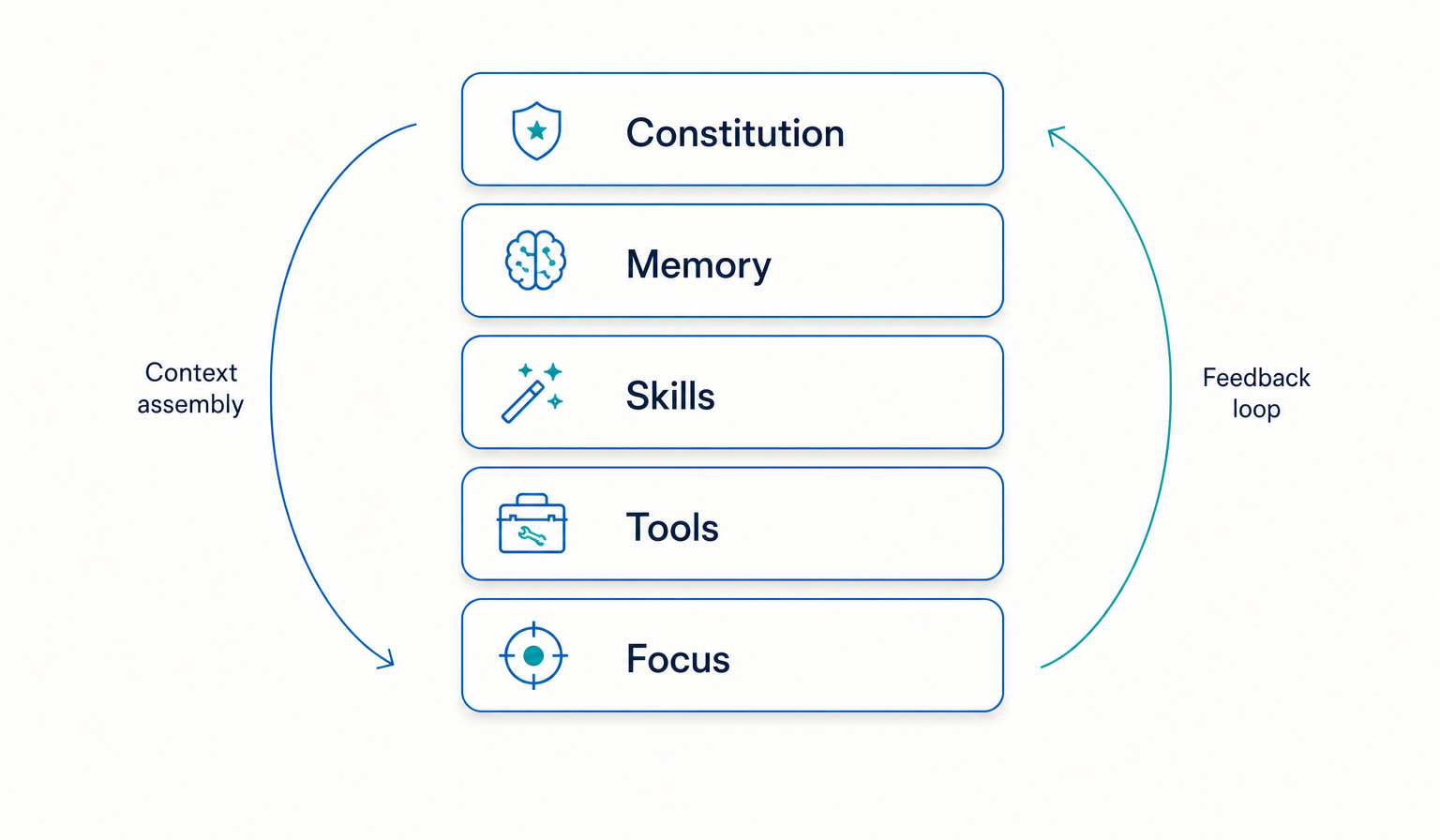
Five layers you build. Two movements that keep it alive.
Constitution
The rules and identity your AI loads first.
Your constitution is the first thing your AI reads, every session. It's a file, or a small set of files, that says who you are, what matters to you, how you work, and how the AI should talk with you.
Open the Constitution layer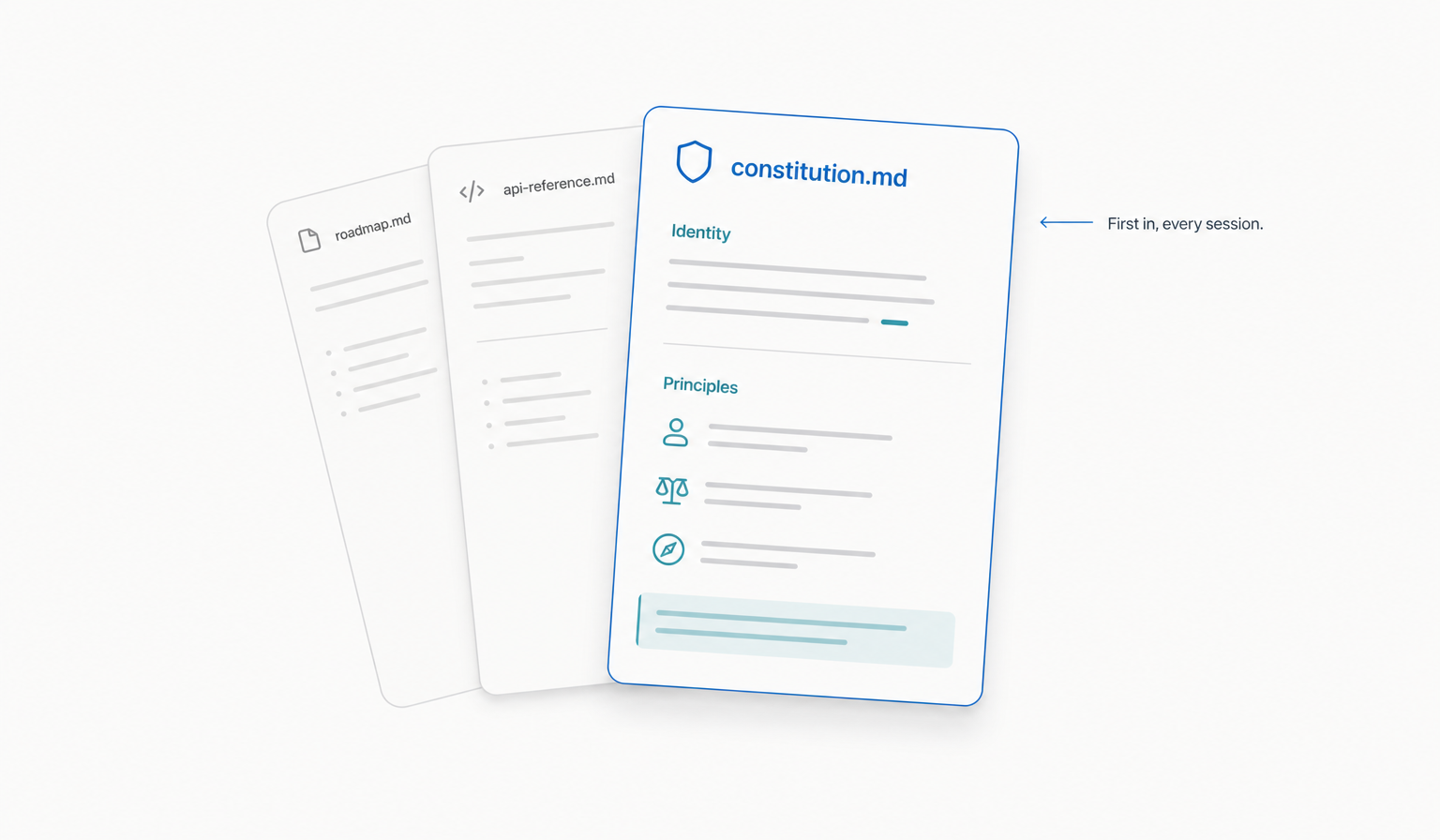
Memory
What your AI knows and remembers about you — in your files.
Memory is your personal knowledge base: your notes, projects, people, decisions and history.
Open the Memory layer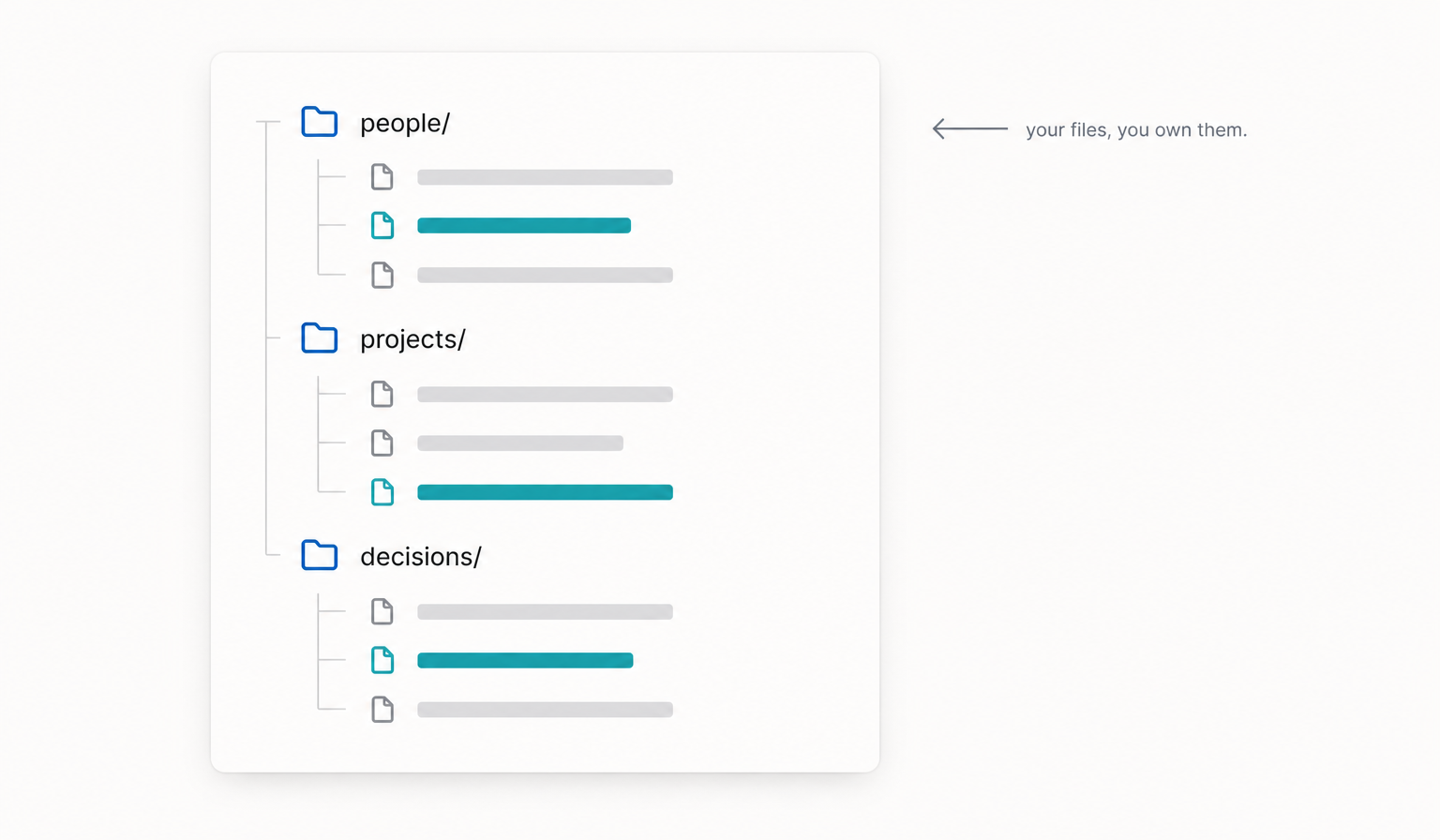
Skills
What your AI can do — reusably.
Skills are reusable commands and routines you define once and call again. Instead of re-explaining a task every time, you teach it once, name it, and run it.
Open the Skills layer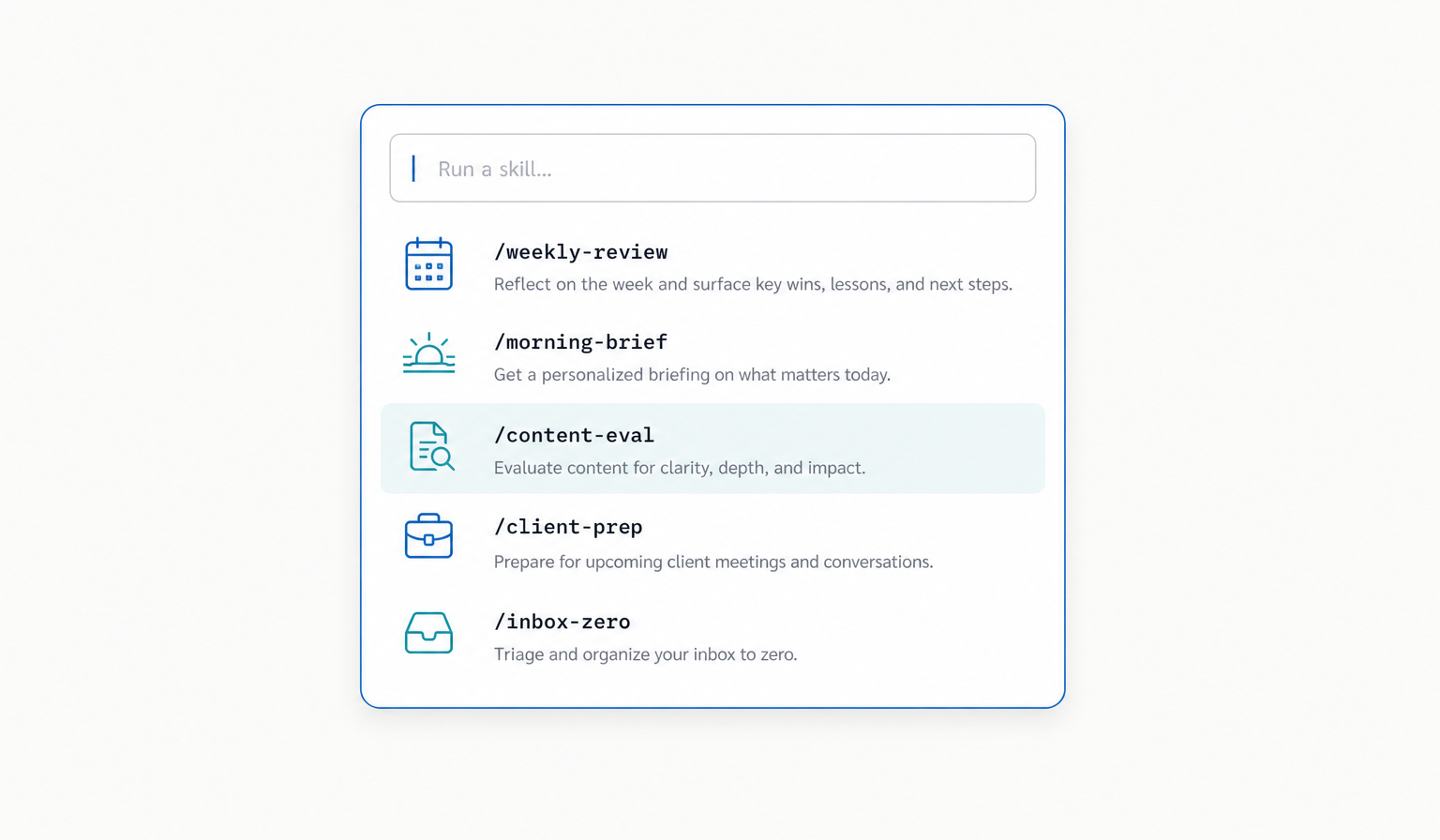
Tools
What your AI is plugged into — your real apps and data.
Tools are how your AI reaches your real work: Google, Gmail, Calendar, CRM, databases, your files.
Open the Tools layer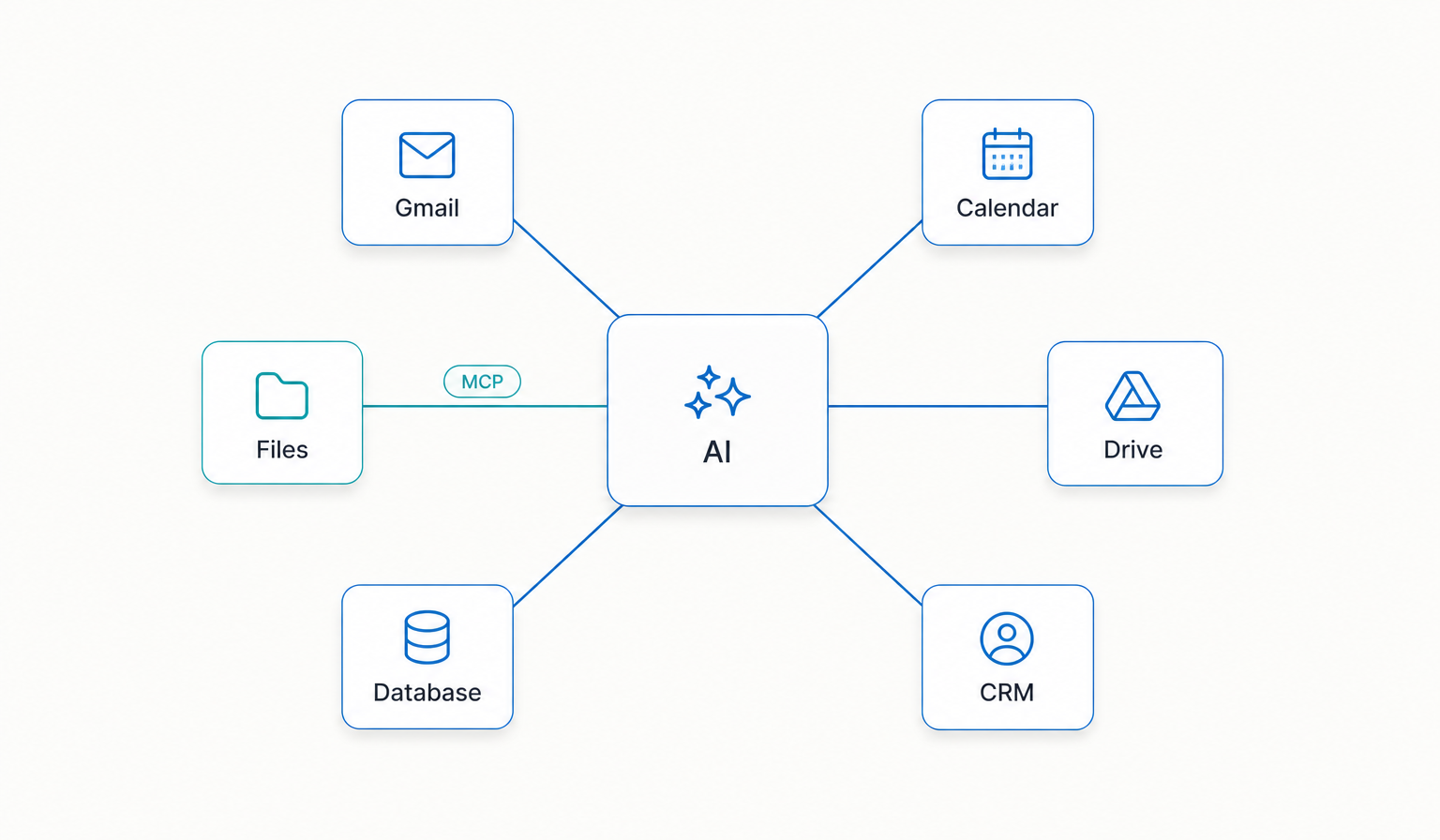
Focus
Your projects, tasks and the feedback loop that keeps it all sharp.
Focus is the layer that tells your AI what matters right now: active projects, this week's goals, today's tasks.
Open the Focus layer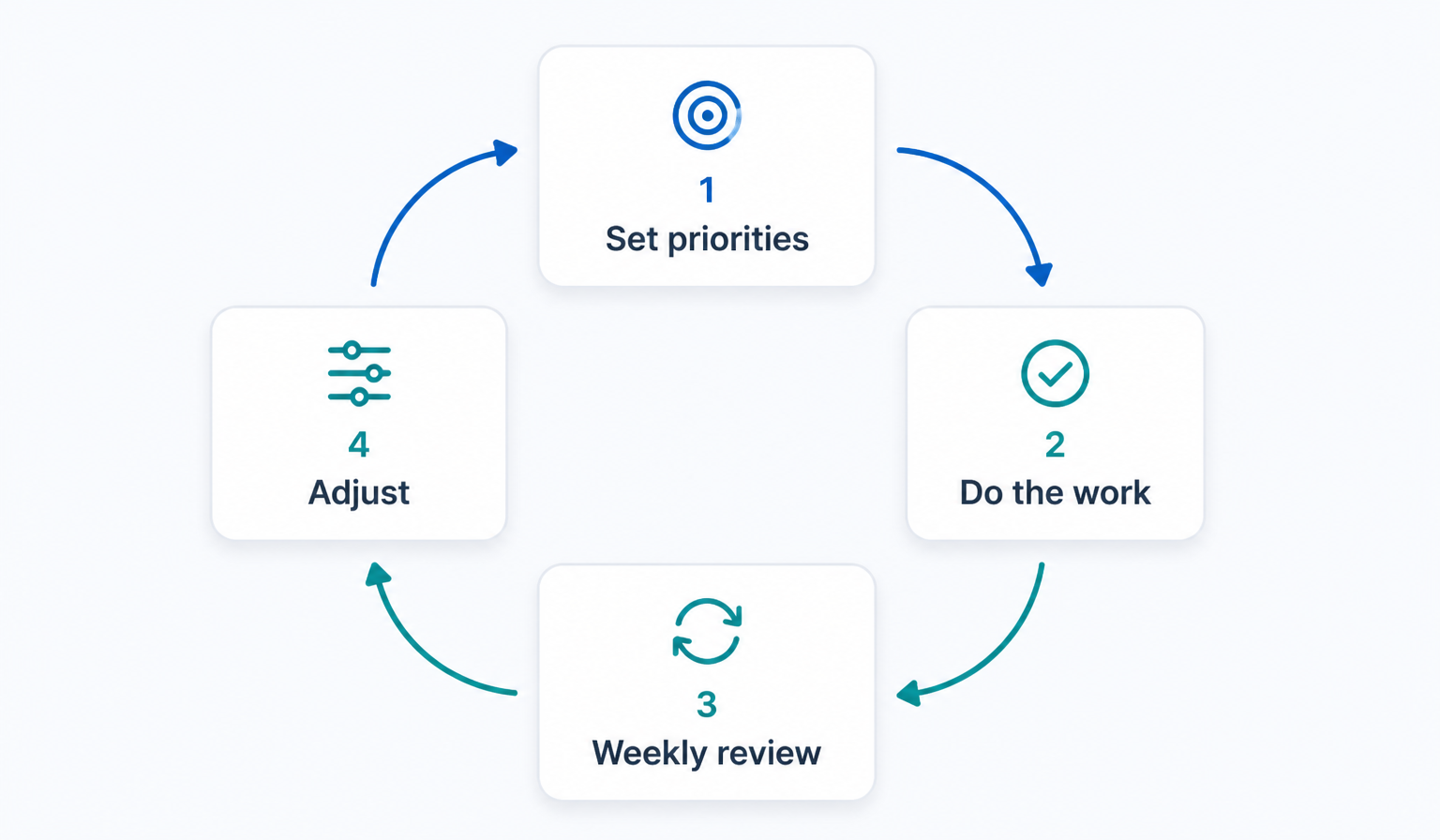
Two movements wrapping it all
These aren't layers — they're movements that happen across all 5 layers.
Context assembly
Pulling the right context together for each task — from constitution, memory, tools and focus.
Feedback loop
Improving the system continuously so it gets better over time — not worse.
The system is open. Start today.
Everything on this page exists as a public, working system: the five layers, a nine stage builder your AI follows with an exit test at each stage, and 27 skills that run in a real second brain every day. Plain markdown files, CC BY 4.0, nothing to install.
One link, one paste: open SKILL.md in the repository, paste it into your AI, and stage 1 starts. Already have a second brain? Hand your AI evaluate.md instead and get an honest score with the one move that matters.